Newsroom
Resilient Fuels: Why domestic e-fuel production is a necessity
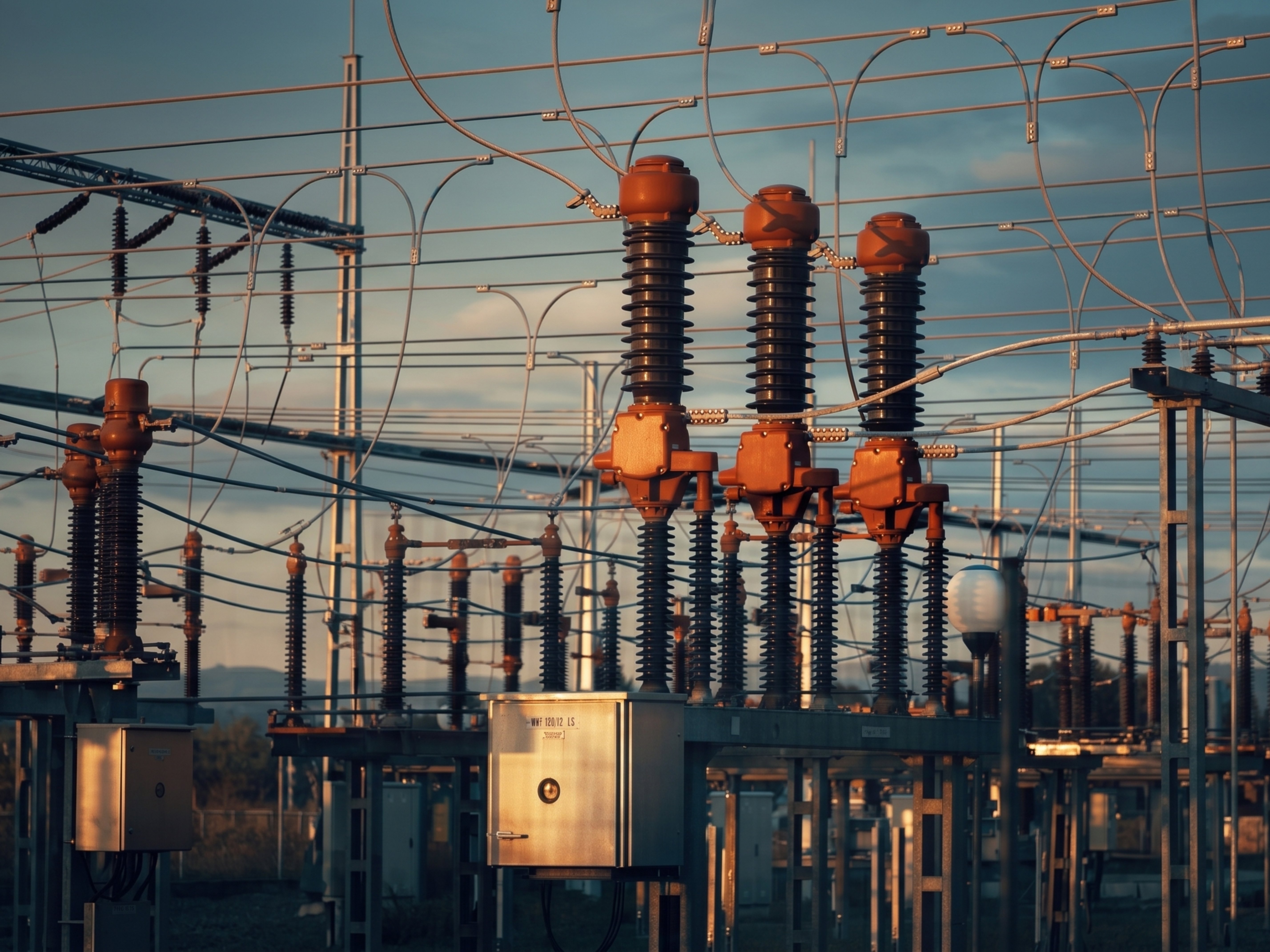
Europe strongly depends on imported fossil energy carriers
Europe is strongly dependent on imported fossil fuels and has no viable domestic alternative to power its economy, mobility and critical infrastructure.
Facts and figures:
- With 97% of its crude oil coming from foreign countries, Europe relies almost entirely on imports (European Council, 2024).
- Between 2021 and 2024, the EU spent a cumulative €1.8 trillion on fossil fuel imports - roughly €930 billion more than it would have at pre-crisis prices (Ember, 2025).
- Gas import dependency has risen steadily for two decades, even after the disruptions following Russia's invasion of Ukraine. Four suppliers still account for over 80% of the EU's gas imports (Ember, 2025).
Such heavy reliance on a few suppliers leaves Europe exposed to political pressure, price manipulation, and supply disruptions. And every disruption follows the same pattern: energy prices spike, industries scale back, and governments reach for short-term fixes that never address the underlying dependency.
And even as renewable capacity has grown, import dependency has stayed high: domestic fossil fuel production is declining faster than electrification can replace it, so the shortfall is still met by imports.
As long as this dependency exists, Europe cannot guarantee a reliable energy supply for its economy, military, and critical infrastructure.
The solution: Resilient Fuels and how Greenlyte enables them
Breaking this dependency requires energy carriers that can be produced independently of fossil sources: electrofuels (e-fuels), usable where direct electrification does not suffice.
E-fuels enable ultimate resilience, which is why we call them Resilient Fuels.
Every e-fuel requires two inputs: green hydrogen and green carbon. Since hydrogen is the main cost driver due to high production costs, projects are built where renewable electricity is cheapest. But these locations rarely have scalable CO₂ sources nearby. Point sources are locally bound, declining, and in a crisis they are at risk to simply stop operating. Additionally, CO₂ logistics, even within Europe are expensive and vulnerable to disruptions.
As long as the carbon feedstock depends on external infrastructure and transport, e-fuel projects cannot freely choose their location - and cannot guarantee their output.
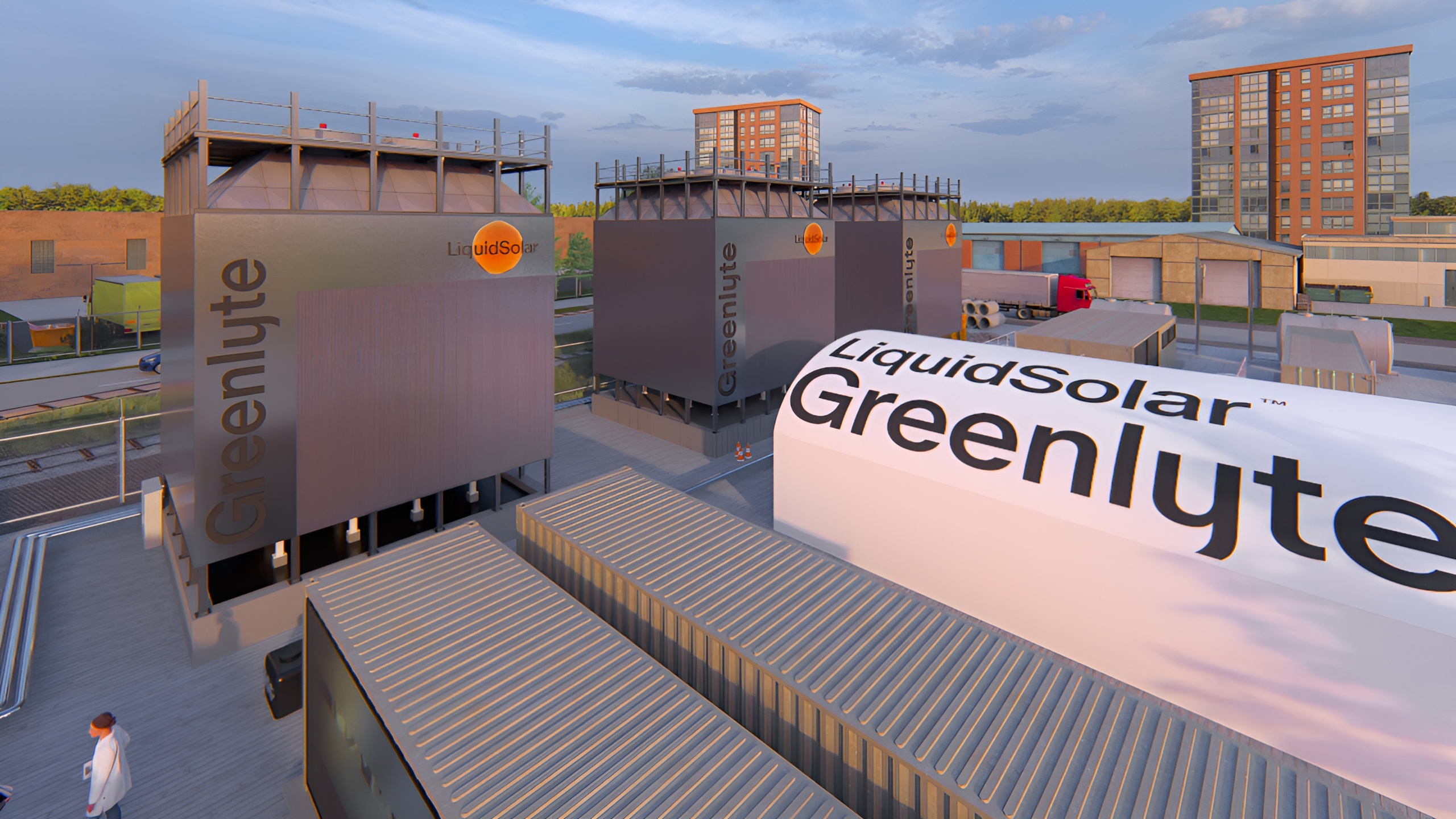
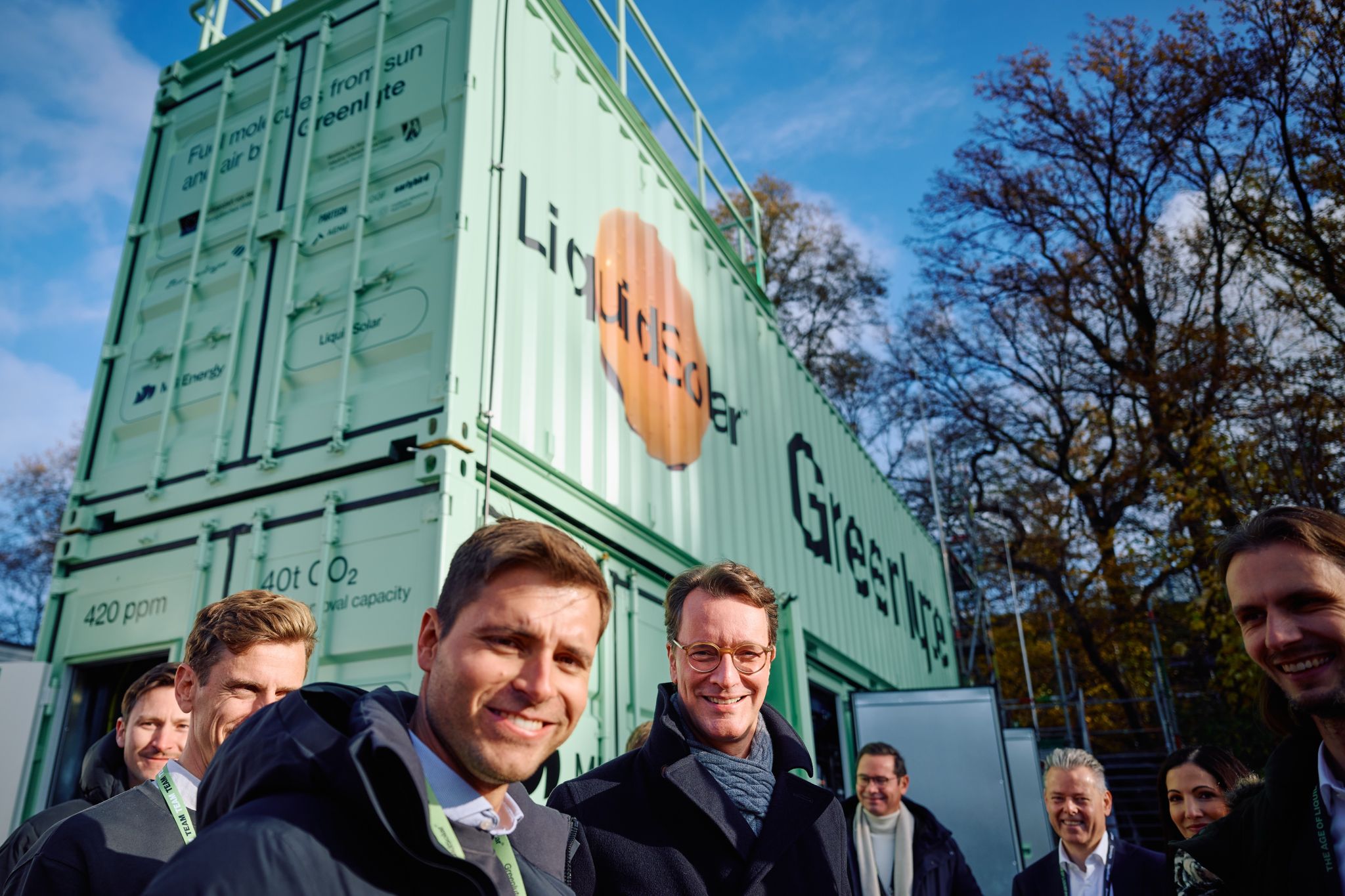
Greenlyte’s LiquidSolar™ platform eliminates this bottleneck. It produces green CO₂ and green hydrogen on-site, from air, water, and renewable electricity. No pipeline, no point source, no carbon logistics needed.
Solving the carbon bottleneck is what makes a fuel truly resilient. Resilient Fuels are characterized by three criteria:
- Producible anywhere renewable energy is available. The technology runs off-grid, dynamically adjusting to the availability of cheap renewable electricity.
- Fully domestic value chain. From CO₂ capture to hydrogen production, every step happens on-site, on European soil. No import route, no bottleneck that a single external actor can exploit.
- No competition with food, agriculture, or land use. No biomass, no agricultural land, no waste streams. The feedstock is universally available and creates no new resource conflicts.
LiquidSolar™ meets all of them. Other fuel pathways do not:
- Bio-based fuels compete with food and land use, and their feedstocks, used cooking oil, animal fats, are inherently limited in availability and scalability. Much of the supply is imported - from countries that are now starting to adopt their own sustainable fuel mandates.
- Point-source CO₂ ties production to industrial emitters in a fixed location - resulting in dependencies on supply chains and a shrinking amount of emitters as the industry decarbonises. The result is a structural carbon gap that will only widen over time.
Both pathways redirect the dependency instead of breaking it. LiquidSolar™ closes that gap.
From Resilient Fuels to real-world projects
With a clear market demand for domestically produced resilient feedstock, two distinct project settings for the LiquidSolar™ platform stand out:
- Dual Use: Commercial operation while ensuring public fuel resilience
Dual Use means a single Greenlyte plant serves two purposes:
- Day-to-day operation: The plant supplies e-fuel to commercial markets. Revenues come from offtake agreements with e-fuel traders, airlines, shipping companies, and the chemical industry.
- Crisis: In parallel, the state pays an availability fee to secure guaranteed access to the plant's e-fuel output during national emergencies.
This model is not limited to the federal level. Any region, federal state, or municipality can secure its own fuel supply this way: a plant placed where it serves critical infrastructure best - hospitals, emergency services, data centers, critical supply chains - while supplying commercial markets in normal times.
The availability fee ensures guaranteed regional supply in a crisis; the commercial revenue carries the plant in peacetime.
- GigaPtX: Decentralised e-fuel production across Europe
The second deployment route is GigaPtX: a strategic partnership with Rheinmetall, Ineratec, Sunfire, and E.ON that is building a network of e-fuel production sites across Europe.
- The idea: Multiple decentralised production nodes, distributed across Europe, operating independently at different locations and each of them producing e-fuel for critical and defence infrastructure.
- Greenlyte supplies the carbon feedstock: Captured independently from the air, not drawn from a fixed industrial source. This removes the biggest constraint on site selection: each production node can be placed wherever it is strategically or militarily most valuable, not where the industrial emitters happen to be.
The Bottom Line
Europe's energy dependency ends when its fuels can be produced on European soil, from European resources. This starts with the feedstock layer. That is what we are building.
.png)